
Flowers that symbolize resilience offer a meaningful way to express strength, courage, and hope during difficult times. From lotus flowers rising above muddy water to snowdrops blooming in winter, certain blooms remind us that growth can continue even under challenging conditions.
People often choose these flowers for encouragement bouquets, recovery gifts, memorial gardens, tattoos, and personal celebrations. Each flower communicates a slightly different message. Some represent perseverance, while others suggest renewal, emotional healing, or the courage to begin again.
In American culture, these meanings come from a combination of traditional flower language, religious imagery, natural growing habits, and modern personal interpretations. Understanding those differences can help you choose a flower that fits your message.
Quick Answer
Flowers that symbolize resilience include lotus, gladiolus, sunflower, snowdrop, edelweiss, iris, and protea. These blooms commonly represent perseverance, emotional strength, survival, hope, and the ability to recover from adversity.
The lotus is especially associated with overcoming difficult circumstances, while the snowdrop represents hope during hardship. Their meanings are not universal, however. Cultural traditions, flower colors, and personal experiences can shape how people interpret them.
TL;DR
- Lotus represents renewal and rising above difficult circumstances.
- Gladiolus symbolizes courage, integrity, and determination.
- Snowdrops express hope after hardship.
- Edelweiss suggests bravery and endurance in challenging environments.
- Americans use resilience flowers in gifts, tattoos, and memorials.
- Flower meanings vary across cultures and historical traditions.
15 Flowers That Symbolize Resilience and Their Meanings
Not every flower expresses resilience in the same way. Some have established historical associations with courage or hope. Others inspire modern interpretations through their ability to grow in demanding environments.
The following 15 flowers offer different ways to represent strength, healing, survival, and new beginnings.
Lotus — Overcoming Adversity and Personal Growth
Botanical name: Nelumbo nucifera
The lotus is one of the most recognizable flowers associated with resilience and transformation. Its roots grow in muddy sediment, while its leaves and blossoms rise above the water.
This growth pattern offers a clear image of moving beyond difficult circumstances. A lotus can represent someone who faces hardship without allowing that experience to define their future.
In Buddhist traditions, the lotus has important connections with purity, awakening, and spiritual development. Hindu religious art also uses the lotus in imagery associated with divinity, beauty, and spiritual qualities.
Modern American interpretations often emphasize overcoming adversity, emotional recovery, and new beginnings. These meanings connect with the flower’s natural growth, although its religious significance extends beyond resilience alone.
Best for: Personal growth tattoos, recovery gifts, meditation artwork, and symbols of transformation.
Gladiolus — Courage and Strength of Character
Botanical name: Gladiolus spp.
Gladiolus flowers stand tall on sturdy stems surrounded by long, sword-shaped leaves. Their name comes from the Latin gladius, meaning sword.
This connection helps explain why gladiolus became associated with strength, courage, and determination. Traditional flower-language interpretations also connect the bloom with sincerity and moral character.
Unlike flowers that mainly symbolize recovery, gladiolus emphasizes the strength someone shows while facing a challenge.
In the United States, these tall flowers often appear in formal bouquets, sympathy arrangements, and meaningful gifts. Their upright shape makes them suitable for expressing admiration toward someone who has demonstrated courage.
Best for: Celebrating personal achievements, honoring courage, and encouraging someone through adversity.
Sunflower — Optimism and Perseverance
Botanical name: Helianthus annuus
Sunflowers represent a cheerful form of resilience. Their bright yellow petals, prominent flower heads, and impressive height make them natural symbols of optimism and confidence.
Young sunflower plants exhibit heliotropism, meaning their developing flower heads track the sun across the sky. Mature flower heads generally settle into an east-facing position.
This growth behavior has inspired modern associations with persistence and seeking brighter possibilities.
Because sunflowers are familiar across the United States, they work especially well in encouragement arrangements. Their appearance often creates a hopeful message without requiring the recipient to know traditional flower symbolism.
A sunflower can express confidence in someone who continues moving forward despite uncertainty.
Best for: Friendship bouquets, encouragement gifts, graduation celebrations, and cheerful recovery arrangements.
Snowdrop — Hope After Hardship
Botanical name: Galanthus spp.
Snowdrops are small white flowers that often emerge during late winter or early spring. Their delicate appearance contrasts with their ability to bloom when temperatures remain cold.
This contrast makes them effective symbols of quiet resilience.
Rather than representing dramatic triumph, snowdrops suggest that recovery can begin through small changes. Their appearance near the end of winter naturally connects them with hope, renewal, and better days ahead.
In traditional flower symbolism, snowdrops have long been associated with hope. Modern interpretations often extend that meaning to emotional endurance and surviving difficult periods.
Their white blossoms can also suggest innocence, remembrance, and peace.
Best for: New beginnings, gentle encouragement, remembrance gardens, and hope-centered tattoos.
Edelweiss — Bravery and Endurance
Botanical name: Leontopodium nivale
Edelweiss grows naturally in mountainous environments, including rocky alpine habitats. Its distinctive white, star-like appearance makes it easy to recognize.
The plant’s association with resilience partly comes from its ability to survive exposed mountain conditions.
In Alpine cultural traditions, edelweiss has also become associated with bravery, devotion, and mountain identity. Its reputation as a flower found in difficult terrain supports these meanings.
For someone who has endured a long challenge, edelweiss can symbolize steady courage rather than a sudden victory.
Its connection with Alpine communities should also be respected. Edelweiss is more than a generic symbol of strength; it carries regional cultural significance.
Best for: Endurance tattoos, mountain-inspired artwork, and gifts celebrating perseverance.
Protea — Survival and Transformation
Botanical name: Protea spp.
Protea flowers have striking structures, often featuring large central heads surrounded by colorful bracts.
Many species belong to ecosystems where fire plays an important ecological role. Some retain seeds in structures that help protect them until conditions favor release and germination.
These adaptations have inspired modern associations with survival, regeneration, and transformation after major disruption.
The king protea is also South Africa’s national flower, giving it a specific national significance.
In contemporary floral design, proteas often suggest confidence and individuality. Their unusual appearance makes them a memorable choice for someone beginning a new chapter after a difficult experience.
Best for: Major life transitions, survivor celebrations, statement bouquets, and transformation-themed artwork.
Iris — Hope, Faith, and Emotional Courage
Botanical name: Iris spp.
Irises are known for their distinctive petals and vivid colors, including purple, blue, yellow, and white.
In Greek mythology, Iris was the divine messenger associated with the rainbow. This connection helped give the flower’s name a lasting cultural identity.
Traditional flower-language interpretations frequently associate irises with faith, hope, and meaningful friendship.
These qualities make the iris a fitting symbol of emotional resilience. It can represent maintaining hope when circumstances feel uncertain or finding the courage to trust a new beginning.
Purple irises often suggest dignity and admiration in modern floral arrangements, while blue varieties can express calmness and trust.
Best for: Encouragement bouquets, meaningful friendships, remembrance gifts, and hopeful garden designs.
Daffodil — Renewal and Starting Again
Botanical name: Narcissus spp.
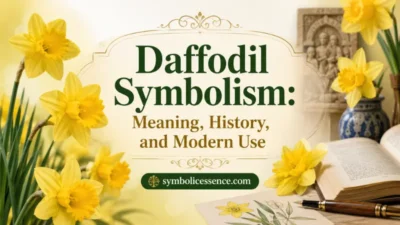
Daffodils appear in spring after spending the colder months dormant underground. Their seasonal return makes them natural symbols of renewal.
Bright yellow daffodils commonly suggest hope, happiness, and fresh starts in modern American floral culture.
They can also represent resilience because they return as conditions improve, offering a familiar image of recovery after a difficult season.
Daffodils have a more complicated symbolic history, however. The genus Narcissus connects with the Greek myth of Narcissus, which concerns self-absorption and carries meanings beyond hopeful renewal.
Today, daffodils are also widely used in cancer-related fundraising and awareness campaigns in several countries.
Best for: Fresh-start gifts, spring celebrations, recovery encouragement, and hopeful garden displays.
9. Coneflower — Endurance and Adaptability
Botanical name: Echinacea spp.
Coneflowers are North American native wildflowers valued for their distinctive central cones and colorful petals.
Several Echinacea species tolerate drought after becoming established and thrive in sunny landscapes. Their ability to grow in demanding outdoor conditions makes them suitable modern symbols of perseverance.
Purple coneflowers often suggest a grounded, practical kind of strength. Their resilience comes from adaptation rather than dramatic appearance.
Some Echinacea species also have histories of medicinal use among particular Indigenous communities. Those practices should not be reduced to a single universal tradition or used as evidence that the flowers provide proven emotional healing.
In American gardens, coneflowers also support pollinators and contribute to ecological planting designs.
Best for: Native plant gardens, nature-inspired tattoos, and gifts representing steady progress.
Cherry Blossom — Acceptance and Renewal
Botanical name: Prunus spp.
Cherry blossoms are admired for their soft pink or white flowers and brief spring blooming season.
In Japanese cultural traditions, cherry blossoms often represent the beauty and impermanence of life. Their short flowering period encourages reflection on change and the passing of time.
This meaning differs from the idea that resilience always requires resisting change.
Cherry blossoms can instead symbolize the emotional strength needed to accept uncertainty, loss, and new beginnings.
In the United States, Washington, D.C.’s cherry blossoms provide a familiar example of how the flowers have become associated with spring, friendship, and seasonal renewal.
A cherry blossom tattoo may therefore communicate appreciation for life, acceptance of change, or personal growth.
Best for: Meaningful tattoos, remembrance artwork, spring celebrations, and reflections on life transitions.
Orchid — Patience and Lasting Beauty
Family: Orchidaceae
Orchids are a diverse family of flowering plants with extraordinary variety in color, shape, and habitat.
Many orchids grow as epiphytes, meaning they live attached to other plants without taking nutrients from them as parasites.
Their specialized growing strategies make them interesting examples of adaptation.
In modern flower symbolism, orchids commonly express beauty, refinement, admiration, and affection. They can also represent patience and persistence, especially when someone connects their meaning with the care required for certain cultivated species.
Some popular orchids, such as Phalaenopsis, produce flowers that can last for weeks under suitable conditions.
For resilience-themed gifts, orchids communicate quiet confidence and lasting appreciation.
Best for: Professional milestones, appreciation gifts, long-lasting indoor arrangements, and personal achievement celebrations.
Chrysanthemum — Longevity and Perseverance
Botanical name: Chrysanthemum spp.
Chrysanthemums bring color to gardens during autumn, when many summer flowers have finished blooming.
Their seasonal timing makes them useful symbols of persistence and endurance.
Chrysanthemums also have important cultural associations in East Asia. In China, they appear in poetry and art connected with autumn, longevity, and the cultivated life. In Japan, the chrysanthemum has a prominent historical connection with the imperial institution.
These traditions are not identical, and neither can be reduced simply to resilience.
In American culture, chrysanthemums commonly appear in fall decorations, gardens, and floral arrangements. Depending on the context, they can express respect, friendship, sympathy, or remembrance.
Best for: Autumn arrangements, memorial gardens, friendship gifts, and celebrations of lasting relationships.
Amaryllis — Determination and Confidence
Common cultivated plant: Hippeastrum hybrids
The large trumpet-shaped flowers commonly sold as amaryllis create a striking display during the winter holiday season.
Most indoor plants marketed under this name are Hippeastrum hybrids rather than plants in the botanical genus Amaryllis.
Their tall flowering stems and dramatic blooms have inspired modern associations with confidence, pride, beauty, and determination.
As symbols of resilience, amaryllis flowers can represent maintaining ambition and confidence while facing demanding circumstances.
Their winter popularity also supports an appealing contrast: vivid flowers appearing indoors when outdoor landscapes may be dormant.
Red varieties often communicate admiration and confidence, while white blooms can suggest sincerity or a fresh start.
Best for: Achievement celebrations, winter encouragement gifts, and confidence-themed arrangements.
Desert Cactus Flower — Adaptability and Survival
Family: Cactaceae
Flowering cacti provide a direct example of survival in difficult environments.
Many cactus species have specialized tissues that store water, while other adaptations help reduce moisture loss.
Their ability to produce colorful flowers in dry habitats supports modern symbolism connected with adaptability, endurance, and unexpected beauty.
However, different cactus species grow in different conditions. Not every cactus lives in an extremely hot desert, and their flowering patterns vary widely.
A cactus flower can represent someone who has developed new ways to manage hardship rather than simply enduring it unchanged.
In the American Southwest, flowering cacti also connect with regional landscapes and native plant appreciation.
Best for: Desert-inspired gardens, perseverance tattoos, and gifts celebrating independence.
Crocus — Persistence and New Beginnings
Botanical name: Crocus spp.
Crocuses are among the flowers that can appear early in the growing season. Certain spring-blooming species emerge while weather remains cold.
Their small, colorful blossoms offer a visible sign that seasonal conditions are changing.
Like snowdrops, crocuses can symbolize hope after a difficult period. Yet their modern symbolism often emphasizes renewed activity, optimism, and the beginning of something new.
Purple crocuses can suggest dignity or reflection, while yellow varieties create a brighter, more cheerful message.
Not all crocuses bloom in spring. Some species flower in autumn, so their seasonal symbolism depends on the plant being discussed.
Best for: Fresh-start gardens, encouragement cards, spring decorations, and personal renewal symbols.
Which Flower Represents Resilience Best?
The lotus is a particularly strong choice when resilience means overcoming adversity and transforming through difficult experiences.
However, the most suitable flower depends on the type of strength you want to express.
| Flower | Main Symbolic Meaning | Best Situation |
| Lotus | Renewal after adversity | Major personal transformation |
| Gladiolus | Courage and integrity | Honoring determination |
| Snowdrop | Hope during hardship | Gentle encouragement |
| Protea | Survival and rebuilding | Significant life changes |
| Edelweiss | Bravery and endurance | Long-term challenges |
| Sunflower | Optimism and perseverance | Supporting a friend |
For example, someone recovering from a difficult experience might connect with a lotus. A person demonstrating steady courage may prefer gladiolus.
Neither choice has a single fixed meaning. The strongest symbol is often the one that reflects the recipient’s experiences and cultural background.
Why Do Flowers Become Symbols of Resilience?
Flower symbolism often develops from a combination of natural traits and human interpretation.
Some meanings come from the plants themselves. Snowdrops tolerate cold conditions, while certain cactus species survive extended periods with limited rainfall.
Other meanings come from cultural traditions. Gladiolus carries associations with strength, while lotus imagery has long appeared in Asian religious traditions.
During the nineteenth century, the practice known as floriography, or the language of flowers, became especially popular in Britain and influenced floral customs elsewhere. People used flowers to communicate emotions through symbolic associations.
However, flower-language dictionaries did not always agree. A bloom could carry different meanings depending on the writer, country, or historical period.
Today, American flower symbolism combines these older associations with personal stories, social customs, and modern visual culture.
Three Main Sources of Resilience Symbolism
- Physical characteristics: Tough growing conditions, seasonal renewal, or long-lasting flowers.
- Historical traditions: Religious imagery, folklore, literature, and established floral customs.
- Modern interpretations: Personal recovery, encouragement gifts, tattoos, and commemorative artwork.
These sources can overlap, but they should not be treated as identical forms of evidence.
What Is the Difference Between Flowers That Symbolize Strength and Resilience?
Strength and resilience are closely related, but they express different ideas.
Strength often refers to courage, firmness, confidence, or the ability to face a challenge.
Resilience emphasizes adapting, enduring, recovering, or continuing after difficulty.
A gladiolus can represent standing firm in difficult circumstances. A lotus can symbolize emerging from adversity with a renewed sense of purpose.
| Symbolic Quality | Common Flower | Main Message |
| Physical or moral strength | Gladiolus | Stand firm with courage |
| Emotional resilience | Lotus | Grow through adversity |
| Persistence | Edelweiss | Endure challenging conditions |
| Hope | Snowdrop | Better conditions can emerge |
| Adaptability | Cactus flower | Find ways to survive change |
A single flower can communicate both qualities. The distinction becomes useful when choosing a meaningful gift or permanent symbol.
Historical and Cultural Meanings of Resilience Flowers
Flowers gain different meanings across communities and historical periods. Understanding those distinctions prevents modern interpretations from being mistaken for universal traditions.
Lotus in Hindu and Buddhist Traditions
In Hindu religious imagery, the lotus appears in associations with deities, beauty, purity, and spiritual concepts. It is particularly visible in depictions of Lakshmi and Brahma.
In Buddhist imagery, lotus flowers can represent purity, awakening, and spiritual development. Their growth from muddy water provides a visual metaphor that supports these associations.
Modern Western descriptions often focus on surviving adversity. That interpretation can be meaningful, but it captures only part of the lotus’s religious importance.
Cherry Blossoms in Japanese Culture
Cherry blossoms hold an important place in Japanese seasonal celebrations, art, and literature.
Their brief flowering season is closely associated with impermanence, beauty, and awareness of life’s changing nature.
When people use cherry blossoms to represent resilience, they often emphasize accepting change rather than overcoming every obstacle.
Edelweiss in Alpine Traditions
Edelweiss has strong regional associations with the Alps. Its image appears in cultural symbols, clothing, and mountain-related traditions.
The flower’s connection with difficult terrain contributes to its reputation for bravery and devotion.
Its symbolism reflects regional history and identity, not merely an abstract idea of persistence.
Gladiolus in European Flower Language
Gladiolus became associated with sincerity, strength of character, and courage in popular flower-language traditions.
Its sword-like form and name help explain these associations.
In modern American arrangements, those meanings can support messages of admiration, respect, and determination.
How Flower Colors Change the Meaning of Resilience
Color adds another layer to flower symbolism. Although meanings differ across cultures, several associations are familiar in modern American floral design.
Red — Courage and determination
Red flowers can communicate admiration, confidence, and emotional strength.
Yellow — Hope and optimism
Yellow flowers commonly express cheerful encouragement, friendship, and brighter possibilities.
Purple — Dignity and inner strength
Purple flowers may suggest reflection, respect, admiration, or personal growth.
White — Peace and renewal
White blossoms are often chosen for remembrance, sincerity, and fresh beginnings.
Pink — Compassion and emotional healing
Pink flowers can express affection, tenderness, gratitude, and supportive care.
These are common symbolic interpretations, not scientifically proven emotional effects.
Color also interacts with the flower’s identity. A white chrysanthemum may carry mourning associations in some cultural settings, while a yellow chrysanthemum may feel cheerful in an American autumn arrangement.
For this reason, choosing a flower by color alone can overlook important cultural meanings.
Flowers That Symbolize Resilience in Love and Relationships
Resilience in relationships can mean patience, loyalty, forgiveness, or the willingness to work through difficult experiences together.
Different flowers can communicate those feelings without making unrealistic promises about relationships.
Orchids work well when the message involves lasting admiration and patience. Their elegant appearance makes them suitable for expressing thoughtful appreciation.
Chrysanthemums can represent enduring respect or longstanding friendship, particularly in American floral settings.
Sunflowers offer a cheerful message of encouragement. They are appropriate when supporting a friend or partner through a difficult period.
Gladiolus can express admiration for someone’s integrity and courage during relationship challenges.
These meanings work best when supported by genuine communication. Flowers can express care, but they cannot replace trust, accountability, or practical support.
Flowers That Represent Healing and Recovery
People often search for resilience flowers when someone they care about is facing illness, grief, burnout, or a major life change.
Several flowers can express support without suggesting that recovery must happen quickly.
- Lotus: A meaningful choice for transformation and rebuilding confidence.
- Snowdrop: Suitable for quiet encouragement when progress feels slow.
- Iris: Communicates faith, hope, and emotional support.
- Daffodil: Suggests renewed possibilities and the beginning of a different chapter.
- Sunflower: Offers a warm, optimistic message during difficult circumstances.
Flowers do not provide guaranteed psychological or medical healing. Their value lies in the message they communicate and the care behind the gesture.
For someone recovering from illness, it is also worth checking whether fresh flowers are permitted or appropriate in their care setting. Certain medical environments restrict plants or flowers, and some recipients may have allergies or fragrance sensitivities.
Resilience Flower Tattoos and Their Personal Meanings
Flower tattoos provide a lasting way to remember difficult experiences, meaningful transitions, or personal achievements.
Unlike bouquets, which eventually fade, tattoos allow people to carry a chosen symbol with them.
Lotus Tattoos for Transformation
A lotus tattoo may represent overcoming adversity, emotional growth, or a renewed outlook on life.
Some people choose a simple outline, while others prefer detailed botanical designs.
Because the lotus also has religious meanings, design elements associated with sacred traditions deserve thoughtful consideration.
Snowdrop Tattoos for Quiet Strength
Snowdrop tattoos often suit people who associate resilience with gentle perseverance.
Their small blossoms work well in minimalist designs and can represent the beginning of recovery.
Gladiolus Tattoos for Courage
A gladiolus tattoo may honor strength of character, determination, or someone whose courage has been personally meaningful.
Its long flower stalk lends itself to vertical designs on the arm, leg, or back.
Protea Tattoos for Rebuilding
Protea tattoos offer a bold alternative for someone who wants to symbolize major life changes.
Their unusual shapes can represent individuality and survival after disruption.
A tattoo’s most important meaning comes from the wearer. Traditional flower language can guide the choice, but it does not control the story behind the design.
How Resilience Flowers Appear in Literature and Art
Flowers can serve as visual or literary symbols when a writer or artist connects their natural traits with a human experience.
A snowdrop appearing after a difficult winter may suggest emerging hope. A flower growing among rocks might represent survival in an unwelcoming environment.
A fading cherry blossom can express the passing of time or the need to accept change.
However, the presence of a flower does not automatically create a symbolic message. The surrounding story, imagery, and artistic choices determine its role.
Three Common Artistic Uses
1. Contrast: A delicate flower survives in an apparently hostile landscape, emphasizing unexpected strength.
2. Seasonal change: Flowers return after winter, suggesting recovery, renewal, or a fresh beginning.
3. Transformation: A plant grows from an unlikely environment, creating a visual parallel with personal development.
These methods allow writers, photographers, and artists to explore resilience without directly explaining every emotion.
Choosing the Right Resilience Flower for a Gift
The most thoughtful resilience flower is not necessarily the rarest or most expensive.
Instead, consider the recipient’s situation, personality, and relationship with the flower.
A sunflower may suit someone who enjoys bright colors and cheerful encouragement. A snowdrop can express quieter support during grief or uncertainty.
For a major achievement, gladiolus offers a stronger message of courage and determination. A lotus-inspired gift may suit someone celebrating a personal transformation.
A Simple Flower-Selection Guide
| Occasion | Recommended Flower | Intended Message |
| Recovery encouragement | Snowdrop | Hope and gentle progress |
| Starting a new chapter | Daffodil | Renewal and fresh beginnings |
| Celebrating courage | Gladiolus | Determination and integrity |
| Supporting a friend | Sunflower | Optimism and encouragement |
| Honoring survival | Protea | Endurance and transformation |
| Personal growth milestone | Lotus | Growth through adversity |
If a particular flower has personal meaning for the recipient, that connection may matter more than any traditional interpretation.
A small handwritten note can also clarify why you selected the bloom.
For example, a sunflower arrangement might express appreciation for someone’s continued optimism, while an iris bouquet might communicate confidence in their ability to face uncertainty.
How to Interpret Flower Symbolism in Context
Flower meanings should be interpreted through their setting rather than treated as fixed definitions.
Consider five practical questions:
- What flower is shown? Identify the species or commonly recognized flower type.
- Where does it appear? A memorial, wedding, tattoo, and garden can communicate different messages.
- What color is it? Color may reinforce or change the intended association.
- What cultural tradition is involved? Religious and regional meanings may differ from popular American interpretations.
- What does the creator intend? A person’s explanation is often the clearest guide to their chosen symbol.
For example, a lotus in a Buddhist artwork should not automatically be interpreted as a modern self-improvement symbol.
Similarly, a sunflower given to a friend may simply express affection and happiness rather than a specific message about surviving hardship.
Context helps make floral symbolism more accurate and respectful.
Common Misunderstandings About Resilience Flowers
One frequent misunderstanding is that every flower has one universal meaning.
In reality, symbolism develops through many sources, including folklore, religion, literature, gardening traditions, and modern commercial flower language.
Another misconception is that a flower’s ability to survive harsh conditions proves that a particular culture historically used it as a symbol of resilience.
Those are different claims.
A drought-tolerant flower may inspire a modern interpretation without having a documented ancient association with perseverance.
People also sometimes confuse resilience with constant toughness. Yet a flower such as the snowdrop can represent gentle endurance, while the cherry blossom can suggest acceptance of change.
Finally, symbolic flowers should not be treated as omens or guaranteed signs about future events. Their meaning comes from human interpretation, not proven supernatural effects.
FAQs
What flower symbolizes resilience the most?
The lotus is one of the most recognizable flowers associated with resilience because it rises from muddy water and produces striking blossoms. Its symbolism also includes religious ideas of purity, awakening, and spiritual development.
Which flower represents strength and courage?
Gladiolus is a strong choice for representing courage, determination, and integrity. Its sword-shaped leaves and name have contributed to these associations in traditional and modern flower symbolism.
What flower symbolizes hope after hardship?
The snowdrop commonly represents hope after hardship because it blooms during the transition from winter toward spring. Its delicate appearance and tolerance of cold conditions make it especially suitable for expressing quiet perseverance.
Which flowers symbolize healing and new beginnings?
Lotus, daffodil, iris, and snowdrop are commonly associated with renewal, hope, or fresh starts. They can express encouragement during recovery, although flowers themselves do not guarantee emotional or medical healing.
What flower symbolizes resilience in a tattoo?
Lotus tattoos are popular choices for representing personal transformation and overcoming difficult experiences. Snowdrops, gladiolus, and proteas also work well, depending on whether the wearer wants to emphasize hope, courage, or survival.
What is the best resilience flower to give a friend?
Sunflowers are an approachable choice because their bright appearance commonly suggests optimism, friendship, and encouragement. For a friend facing a difficult period, a snowdrop or iris arrangement can communicate a gentler message of hope.
Do resilience flowers have spiritual meanings?
Some resilience flowers have important spiritual or religious associations, especially the lotus in Hindu and Buddhist traditions. Other flowers are mainly connected with secular customs, natural traits, or modern personal interpretations, so their meanings should not be treated as universally spiritual.
Conclusion
Flowers that symbolize resilience remind us that courage can take many forms. The lotus represents transformation, gladiolus expresses determination, and snowdrops suggest hope during difficult seasons. Together, these flowers offer different ways to recognize perseverance and renewal.
Their meanings depend on history, culture, personal experience, and the situation in which they appear. Choosing a flower thoughtfully helps its message feel specific rather than generic.
A meaningful resilience flower does not need to promise a perfect outcome. It can simply recognize the strength involved in enduring difficulty, adapting to change, or beginning again.